Posted in Geek Out, Reading

To E-Read or Not to E-Read?

VMG 002

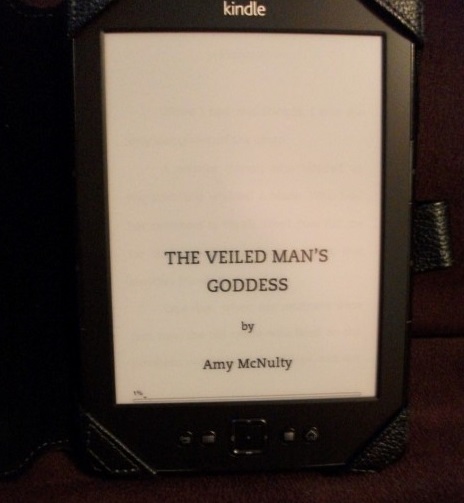
Perhaps you can tell from the odd extra spacing, but that’s my manuscript cover page on my new Kindle.  My manuscript looks so… real! (Like it wasn’t real before? Well, you know, it’s nice seeing it almost book-like in any format outside of Word.) I finally joined the digital book world and got an e-reader as a gift this week, and I love it even more than I thought I would!

Let me back up. I’m not a huge digital gadget person. Cell phones don’t interest me, and I pretty much only use mine for calling people, and not that often. Reading books has always been a nice way to escape the endless LCD- and backlit-screens I stare at all day while working, surfing the web, watching TV and playing games. The idea of staring at yet another screen to read just wasn’t appealing since reading was one of my last hobbies left that was screen-free.

That’s not to say I poo-pooed anyone else who wanted to read books on e-readers! It doesn’t bother me at all how people choose to read (or “hear” books like radioplays via audiobooks, as my sister loves to do!); I just love that they’re reading. My mom got a Kindle a few years ago, and it’s made reading easier than ever for her, and she’s become an even more avid reader. I just never could think of a reason for me to get one. But when I saw my mom’s Kindle in person, I was surprised how paper-and-ink-like the screen was! Seriously, I’ve never seen such a beautiful, glow-free digital screen with such crispness and clarity.

Last summer I was invited to review some e-books in the new Sweet Valley adult series, The Sweet Life, but I didn’t have an e-reader. (And my mom couldn’t lend me hers. She seriously reads too much to part with it for too long!) So I read it on my laptop. My eyes went googly. I saw a cheap brand e-reader on sale for like $30 one day and thought I’d get it just to finish the e-books on, but it was terrible. It was an LCD screen (so it felt just like staring at the laptop screen anyway), and the e-bookstore was terrible, and it was hard to navigate, and yeah… You get what you paid for. Luckily I was able to return it even though I’d opened it and tried it out! I knew then I’d wait and save up or ask someone for a Kindle.

So I got it last week and I uploaded my manuscript to it right away to check it out. I also bought an e-novella and got the first five chapters of Leigh Bardugo’s Siege and Storm, which are currently available for e-readers for free. (And which only serve to make me more anxious about waiting for the release of the rest in a couple of months, but I’ve been reading it anyway!) I got a few more free e-books I haven’t really touched yet. I’m scared of having too much to read because there’s a lot available for free!

But I’m still reading traditional paper books. I have nine on my to-read shelf (six of which have been there for way, way too long and keep getting pushed down the priority list) that I vowed to finish this year. I love being surrounded by shelves full of books, and I think I will buy Siege and Storm in print instead of electronically to finish reading. But I’ve been surprised how little reading the first few chapters on my e-reader has bothered me.

I have decided that whenever the next A Song of Ice and Fire book comes out (years from now…), I’m going with the e-reader since I realized with the last book that it’s a bit of a pain to carry a 1000+-page hardcover around. And it’ll be great for the dozenth time I read a manuscript, when I’m just looking for little tweaks (and then can run to the laptop and make them, without having stared at the laptop screen for hours and hours).

Do you have an e-reader? Which one? Do you prefer reading books electronically, on paper or both?

Posted in News

Happy News!

What’s this?

Two posts in one day? Impossible for me, you might say. But no sooner had I finished the last post than I noticed this piece of news on my Twitter feed:

booknews

Melissa is one of my best friends and beta readers, and we’ve known each other for almost 14 years. We even got agents the same year! We’ve both counted ourselves among a circle of friends who shared a dream of being published authors, and Melissa is the first of us to make her dream come true! She’s worked hard for many years to get to this point. I’m honored to be one of her beta readers, and I know you’re going to love The Sight Seer as much as I did. Stay tuned and please support her book when it comes out!

Posted in Writing

Writing vs. Editing: Which Do You Prefer?

I’ve been neglecting this blog the past couple of months, so I apologize for the delay in updates! Post holidays, I had a lot of work projects, but I managed to fit in writing and editing for my own creative projects, too, which inspired the topic for this post:

Do you prefer writing the first draft or editing it later?

I’ve heard people on both sides of the fence. I love my wonderfully inspired moments when I’m first drafting a project, but those aren’t as frequent as I’d like, and most days I only write a very little. When I’m drafting, sometimes the task ahead of me can seem gargantuan, which can be a bit overwhelming. So unless I’m struck by that “magic” where I pump out thousands of words in a writing session instead of hundreds, I prefer editing.

Strangely, editing can be just as gargantuan a task as drafting—perhaps more so—but it doesn’t feel that way to me when I’m working. I have hundreds of pages of text to work with, to cut and slash and move around. And yes, to add to, but for some reason, even adding an entire chapter or two (or ten!) doesn’t seem so bad when I think, “Well, I’ve still got hundreds of pages here already!”

Editing never seems to end, really! (At least perhaps until it’s finally locked in and printed.) But it doesn’t seem too difficult a task because you’ve spent so much time in your world by the time you’re on draft two or five that you feel like it’s just a matter of fixing this or that, rather than scrapping everything and starting over completely.

…Which I hope I don’t have to do with one of my WIPs that seems profoundly broken, even though I’m in the last chapter or two. Sadly, editing isn’t always magic enough to fix things.

But in my work, I tend to prefer editing to writing, too, and I enjoyed my time as a writing tutor helping people improve their essays. That’s another reason I love beta reading, too!

Posted in Writing

Was I Here or Was I There? Tricky Narration

Over the past few weeks, I’ve had the pleasure of beta reading a friend’s latest manuscript.I’ve done this in the past with her works, but this time she thought to ask, “Why do you keep changing my ‘here’s”to ‘there’s, my ‘this’es to ‘that’s, my ‘last night’s to ‘the previous night’ or ‘the night before’?” We’re talking in her first-person past-tense narration, by the way. I leave them alone in dialogue or in internal monologue, and I would have left them alone in present-tense narration.

But why do I change present-tense words to the past tense? Especially since, as I’ve been doing some editing of some of my own work lately, I still find instances of ‘here,’ ‘this,’ ‘now’ and the like in my own narration? (Which I then promptly change, but still, when I originally wrote them, they must have seemed natural to me!) And we both have found examples of the present tense in past tense narration in published works. She found one that had both “this” and “that” in the same sentence and it didn’t make much sense to me!

But that’s just it–I guess I change these words because they don’t make sense to me. I know that narration isn’t supposed to be a literal representation of the character talking about what happened in the past. (Who speaks in novel form, for one?) But that’s how I picture it. The character sitting with you now, in your living room, for example, talking about things that happened to them last week, last month or years ago, somewhere else. To me, if the narrator says “here” in the narration, she’s talking about your living room then. If she says “last night,” she’s talking about the night before you’re currently reading, not the night before action that took place days, weeks, months, years before.

My friend says she pictures the narrator like “cataloging” the events in real time, so she’s still talking about the past, but it’s just happened. She’s still wherever “here” is, she’s still one day away from “last night,” she’s just talking play-by-play as things happen, only in the past tense. So in other words, where my friend would write something like:

This key in my hand was how I was going to get out of here.

I’d prefer:

That key in my hand was how I was going to get out of there.

And if I wanted some immediate thought with “here” and “this,” I’d change it to internal monologue. Of course, this is editor-me speaking. Writer-me sometimes forgets that and I don’t catch it for a long time. And other readers don’t change it, either; it’s not necessarily “incorrect,” it just sounds weird to me!

Have you noticed the changes in tense in your writing or in published works? Do you prefer one style over the other, or haven’t you thought about it before?


Posted in Writing

NaNoWriMo!

So November is National Novel Writing Month and I imagine that a lot of you who read this blog are lost in worlds of your own creation, aiming to have at least 50,000 words on the page (or the screen) by the end of month. I’d love to hear about any stories you’re working on! Share a link to your NaNoWriMo profile if you like.

I’m also curious to hear about NaNoWriMo success stories. Who’s reached the word count goal in the past? Did you go on to finish the novel? Did you query, publish or self-publish or move on to a new work? (Or both?)

I’m asking a lot of questions and would like to share my own NaNoWriMo experience, but I don’t have a proper tale to tell! I’ve never officially participated in NaNoWriMo. This year I’m too busy with work writing and I’m juggling three WIPs (one YA, one MG and one “classified” short project) and don’t want to start yet another new work.

In the past, though, I sort of participated twice–I’m thinking 2007 and 2009 (but don’t quote me on that). I didn’t think I could officially participate because you’re supposed to write something brand new, if I understand correctly, and I was in the midst of my never-ending first draft for a YA book (120,000 words in the end and still not half way finished, ha) that took me nine years to finally abandon once and for all, after I mined the very best 5000 words or so and melded it into my first completed novel. So both of my unofficial NaNoWriMo experiences I worked on that manuscript, only I didn’t follow the rules in another way: I wasn’t aiming for 50,000 words. I was just determined to write half an hour a day at minimum in honor of the occasion, and that’s what I did. I even kept that up for some time into December.

I did also have similar experiences earlier this year. For one, I wrote 58,000 words in nine days early in the year when I had the inspiration for what would become my first completed draft of a book. In August of this year, I eked out almost another 50,000 words on a WIP because I had less work than usual. This time, it took me the whole month, and not every day of writing went smoothly.

And of course, I write tens or even hundreds of thousands of words each month for work, but that’s not quite the same!

Posted in Writing

Handwriting or Typing?

Do you write your first drafts by hand or on a computer? (Or by typewriter? Who knows, maybe some nostaligic people still use those!)

This question seems less and less relevant in the digital age, but I’m still surprised to hear about authors who prefer to handwrite their works, at least initially. I’m so used to my computer that it just seems easier for me to type my ideas out, and I type pretty quickly, too, although not via the proper Mavis Beacon-approved method. (At some point that method, taught to me in elementary school on an old 1980s Mac, morphed into a three-fingers-on-each hand thing that I’ve used ever since.) Also, from years of school, I’ve learned that my taking notes by hand in a hurry amounts to chicken scratch. I’m not sure the method of handwriting my manuscripts would be able to keep up with the pace at which my brain comes up with the words on a good writing day–sometimes even typing is too slow.

That said, I tried it once a few years ago. (When I was really young, I wrote stories in notebooks all the time before I typed them up, but I wonder if that was more because of a limited access to computers.) By the time I scratched out half the words on the page, I knew I wasn’t getting anywhere, and back to the computer I went.

I do, however, handwrite letters to pen pals. Yes, old fashioned snail-mail pen pals; I started pen palling when I was 7 and have never fully stopped, although I admit my letters are far less frequent these days and I keep in touch with a large number of my pen pals online rather than by snail mail. There’s something fun about receiving handwritten notes from a friend across the country or the globe, and I wonder if this tangibleness is part of the appeal for authors who write their works by hand.

Or maybe it’s about being better able to shut out distractions and not having to deal with the headache of staring at a screen for hours on end. I’m definitely not a fan of either of those downsizes to typing.

Do any of you prefer to handwrite? Do you know why? Or do you prefer typing first like me?

Posted in Geek Out

My Trip to NY

Once a year for the past five years, I’ve visited New York (stayed on Long Island, took the train in to NYC as often as possible) to visit some of my boyfriend’s family. Coincidentally, his family lives a short car or train ride away from one of my best friends of thirteen years, fellow agented writer and one of my beta readers, Melissa. So it’s been a lot of fun making time to hang out with her when I visit–although this is the first year we met as two agented authors!

And speaking of agents, I met mine for the first time, the very kind Jason Yarn, who picked out a chic restaurant with great food, Gramercy Tavern, for our meeting. (I apologize for being a few minutes late! That was the only day I’ve ever had to deal with train delays to that extent!) I had a fun time talking my writing, books in general and the geek culture at large. Now that I’m back home, I need to snap back into focus and get back to editing and working on new drafts!

Some highlights of the trip include:

Shopping

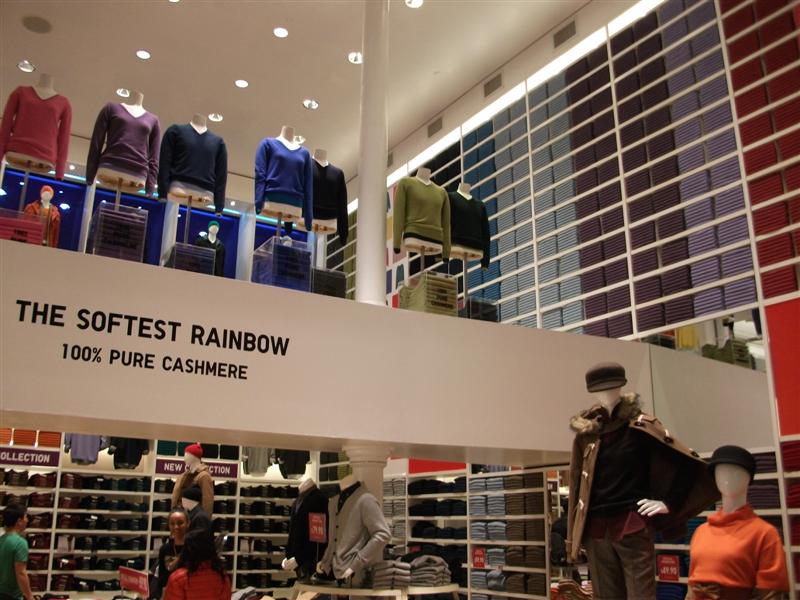
I’m not usually big on shopping, or clothes shopping in particular, but that’s not the case in NY. We hit all of our favorite stores, including Uniqlo, which I admittedly just started liking because it was a Japanese brand of fashion (similar to Old Navy in pricing–I don’t like spending tons on clothes!), but I really do love their HEATTECH line during frigid winters.

We also stopped at the Scholastic store, so I could squeal over Harry Potter and Hunger Games displays.

I hit the HBO Store, Disney Store, Nintendo World, FAO Schwartz, Kinokuniya (Japanese bookstore), Book Off (used Japanese and American bookstore), and Mitsuwa (Japanese marketplace in New Jersey), to name a few.

Eating

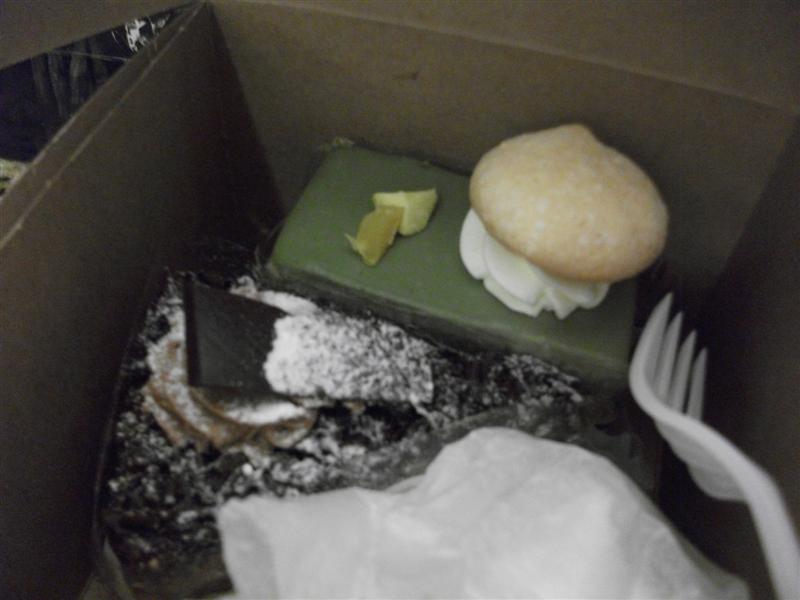
Aside from the aforementioned Gramercy Tavern, we ate at another chic restaurant with yummy food for a lunch, NoHo Star. We got some peanut butter sandwiches at Peanut Butter & Co, ate delicious Japanese food at Go Go Curry (multiple times), dined at the Mitsuwa food court, and stopped by Cafe Zaiya and Sunrise Mart for Japanese cakes and sweets more than once. (Sensing a pattern here? Yes, I tend to focus on Japanese places in NY!)

Wax Museum

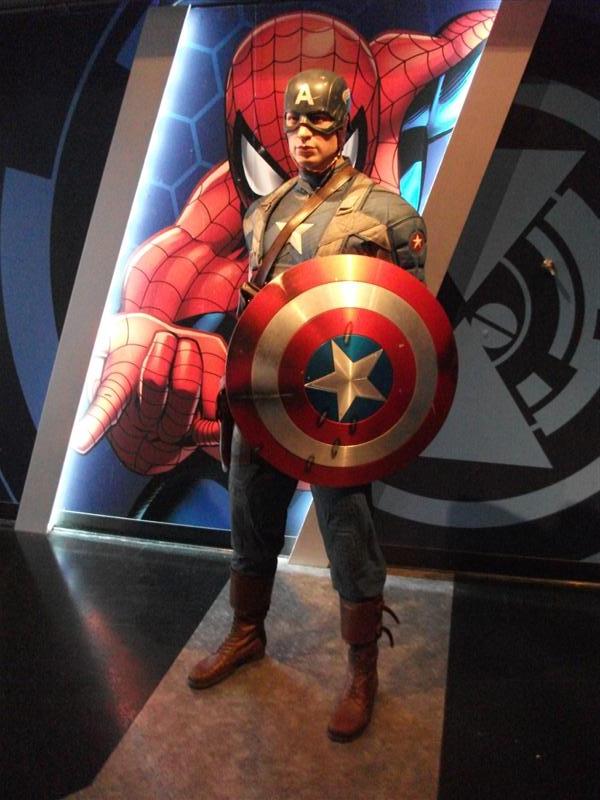
Melissa convinced my boyfriend and I to accompany her to Madame Tussauds, and it was a lot of fun! The wax figures were so real, at one point, we fell for a trick; there was a wax figure of a tourist taking a photo of other wax figures and we seriously hesitated to let her take her picture… Which she never did. There was a Marvel 4D experience, and it left a bit to be desired, plot-wise, but it was amusing. And there were wax figures of the Avengers outside!

Central Park Zoo

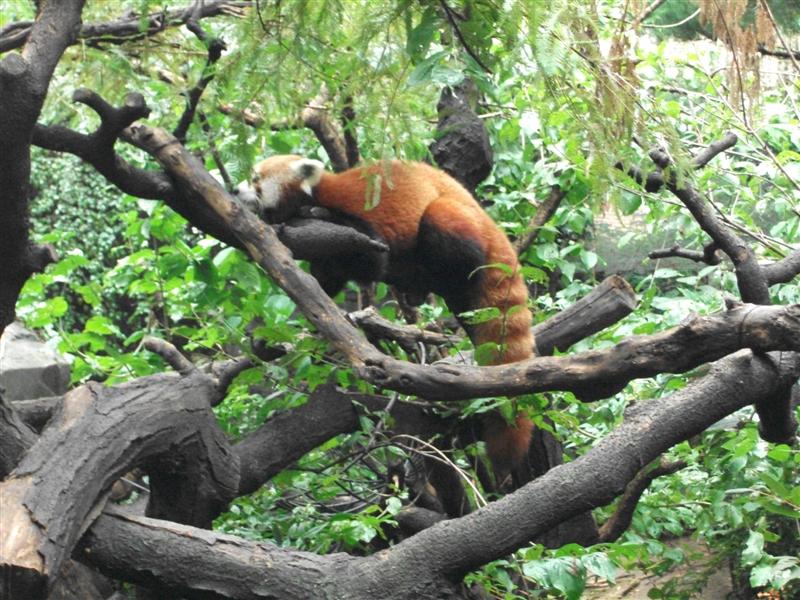
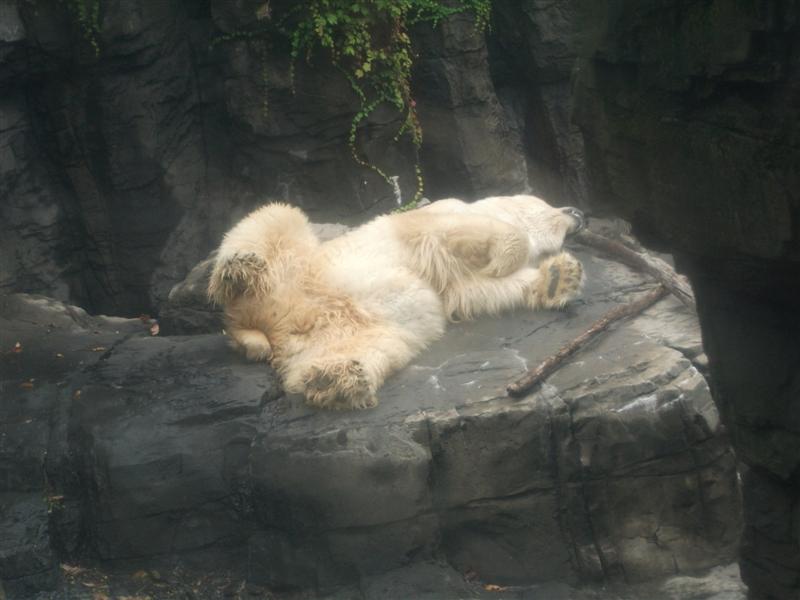
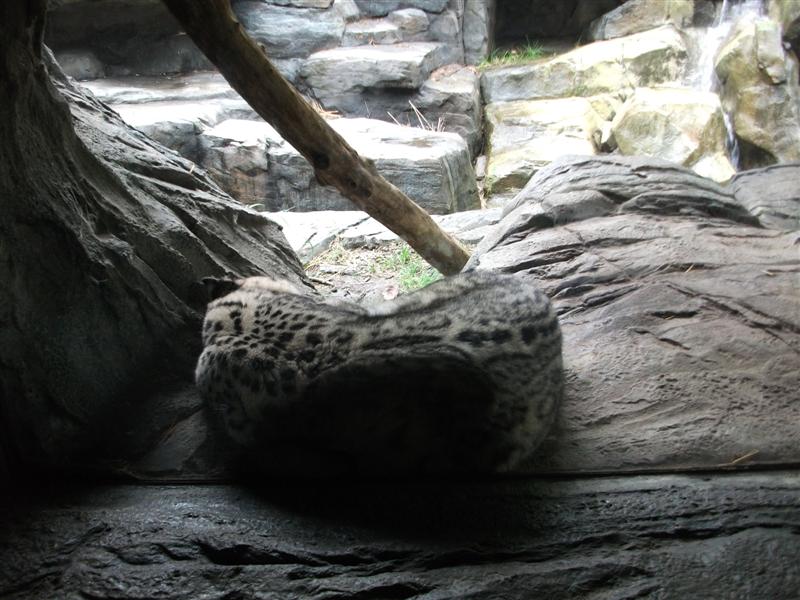
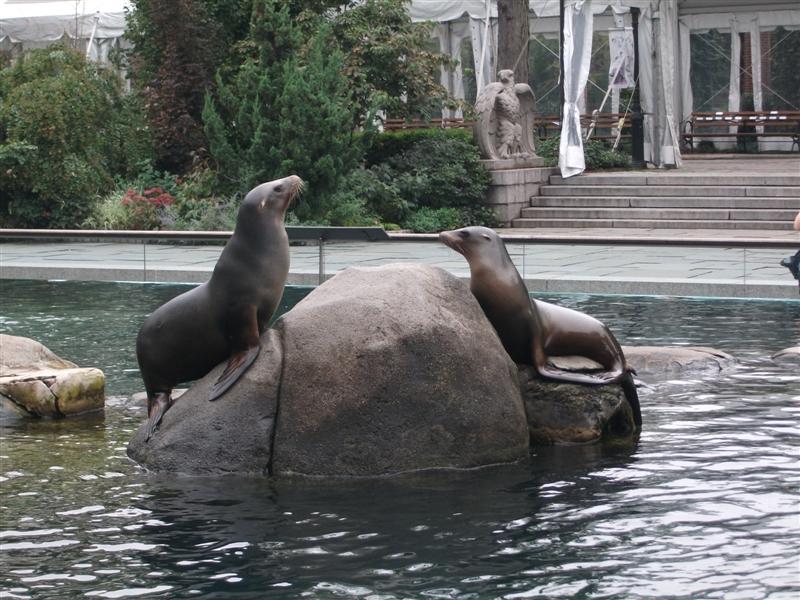
We headed to the Central Park Zoo for the second time; we went a few years ago, too. But it’s conveniently placed in a beautiful location, pretty affordable for a NY attraction, and full of cute animals. The red pandas are my favorites here, but I got slightly better pictures this time of other adorable guys, like the polar bear, the snow leopard and the sea lions! Too bad my camera battery died right toward the end!

All in all, it was a great trip. Bye, NY! (And have fun at the NYCC next week, everyone there! I’m sorry I’m missing it… Even though it’s impossible to move inside the convention center anyway.)

Posted in Writing, Writing: Help

Happy Labor Day! (Are You Laboring?)

Happy Labor Day to the rest of you in the US! If you’re a writer, particularly a freelance one, holidays are hard to take off, though. If you shimmy your schedule around just right, you may be able to take a day off here and there, but usually they’re out of the question. Especially if you’re being good and writing creatively every day like you ought! In which case, even when you don’t have the business writing to do, you’re still keeping up the discipline by working on a WIP.

An advantage of being a freelance writer, though, is that you can make your own schedule for the most part, and there are a number of days where you work fewer than eight hours. (And some days when you work more, ack. I try to avoid those. I never once pulled an all-nighter in college, but I have for some clients!) Of course, there’s always so much else to fit into any given day: cleaning, cooking and running errands… I don’t think I’ve experienced boredom outside of things like waiting in lines in years.

This week I have a huge freelancing project from one of my favorite clients, one that may extend for a number of months. I’m also roughly 10,000 words from finishing the first draft of the YA WIP that I started earlier this year and that I’ve been determined to work on almost every day for over a month now. (And boy, is it taking a lot more out of me than the first completed book!) I have big, exciting edits for another project. I have two other WIPs not touched in a while… Oh, and I have to live outside of staring at my computer at some point, too.

So how have I managed it so far? And why am I here at the blog? Because I’ve finished my work quota for the day. (Admittedly, I haven’t picked up the WIP quite yet, but I will.) So far (after fighting off panic about how much I need and want to do over the next few weeks) I’ve decided to:

  • Get the work writing done right away in the morning. I need to work on the non-fiction stuff when my mind’s still focused and I have the drive. Whenever I feel my drive slipping, I keep telling myself I’ll be done after lunch, and then I’ll have the afternoon to devote to other projects.
  • Turn distractions into a reward. I can easily spend an hour just goofing off at my favorite websites first thing when I get online if I choose (it’s nice and brain-numbing). Not so this week. I check my email, shut off the Internet, write two articles, check one fun website, rinse and repeat…
  • Stick to the WIP. I’ve spent too many weeks working on this one nearly every single day to give up now when the end is so close. (And I’m at risk of never wanting to pick it up again after all it’s put me through!) I just need to be more lax when it comes to word count. My best days were 2000-3000 words, but now I need to be okay with 500 on any given day, and then I can focus on other projects.
  • Take breaks! When I waste time goofing off online, I feel guilty spending too much time away from the computer doing anything more substantive than a quick run to the washing machine to start a load of laundry. When I’m disciplined, I feel I deserve a 15-minute break to read or step out for fresh air. It recharges me, and I don’t feel guilty.

So far, so good, I don’t feel like a burn out is imminent. What do you do when you’re incredibly busy, but there’s so much you need and want to do? How do you fit it all in?

Posted in Writing

Product/Pop Culture References in Writing

The work in progress that’s been getting the bulk of my attention lately is contemporary. Or should I say “roughly contemporary.” I don’t plan on explicitly stating what the year is, but I do date it unintentionally because I describe events that took place recently as having taken place “last year.” I also drop product names like I would in everyday conversation whenever I feel it’s appropriate. I even mention celebrity names.

It’s a strange feeling for me. My finished manuscript is fantasy (yay for making up a world from scratch!) and my other WIP doesn’t feel like it needs any particular setting other than “roughly about whenever you’re reading it,” so there aren’t any product or pop culture references. In this one, I just felt like the characters needed to discuss things like a real person would. But then again, whenever I read these things in other books, I can’t help but feel like the book is dated.

When I take a look at my other stab at contemporary YA fiction (part of the mess that eventually morphed into the finished manuscript, which I love–and there’s no contemporary in the final product), I cringe for more reasons than one, but one passage in particular stood out. I had the narrator commenting on a iPhone like it was a brand-new thing. Now it’s several years old, and the character’s response to it seems outdated. By the time this WIP sees the light of day (which I hope it does!), will I be left with a similar feeling?

Do you think peppering a contemporary manuscript with product names or pop culture references is acceptable or distracting? Do you think it dates the action too much?

Posted in Writing, Writing: Help

Ending at the Beginning

It’s no secret that the beginning of a manuscript has to entice people to keep reading or the rest of your manuscript may never see the light of day, no matter how wonderful and exciting it becomes later on. Actually crafting that compelling opening is easier said than done, though–at least for me.

When I sat down to write the manuscript that got me an agent, I wrote the scenes that my brain told me came first. Meanwhile, I was also incorporating a little bit of an old manuscript I’d been working on for years. (See this entry.) The result was an odd mishmash of chronology for the first four chapters or so. One of my beta readers thought the jumps odd and wanted more clarification, particularly when it came to worldbuilding. (The manuscript is fantasy.) I thought about it and added a few more passages I thought clarified things and I was ready to go.

Of course, most (but not all) agents ask for a sample of the manuscript along with the query. I only had 5 or 10 (sometimes a bit more) pages to grab their attention. Partial and full requests came in… And the vast majority were only from agents who had requested queries only (no sample pages) for the first e-mail. I started wondering if that meant my concept was enticing enough but not my first few pages…

And then I got an R&R on a full request. The problem? The beginning, of course! The agent agreed with my beta reader (maybe they’re really in tune–that agent was my beta reader’s agent by then!): I needed to fix up the beginning and work on clearly worldbuilding. So that was two people who thought my beginning needed work–and maybe more, and the others who rejected it didn’t have time to tell me.

I took a time out from sending queries and spent a slow three weeks reshaping the beginning. I cut long scenes, rearranged ones I wanted to keep and cut, cut, cut passages. Then I drafted a new first chapter–twice. I didn’t much like my first attempt at a new beginning. Then I was struck with a different idea, and I wound up writing two completely new chapters. This version started with action, and I used that action to worldbuild. At first I was wary about re-doing the beginning, but I loved the final result!

I sent out the revision and continued to query other agents with my brand new beginning. Material requests rolled in, and this time they were from agents who saw sample pages at the start! I got a few passes, but of those who took the time to detail their reasons, all were complimentary–particularly about my worldbuilding! And, of course, it was this beginning (10 pages with the query) that netted the full request and then my first offer of representation.

I’m learning. Both of the beginnings of my two WIPs start with action. I like them–but at the same time, I wouldn’t be surprised if I have to go back and tweak the beginning at the very end!

How do you write beginnings? Do you fix the beginning later or think of a compelling image to start the book before you start?